By Daniel Tiruneh
At a time when Africa is rising reclaiming its heritage, rewriting its economic story, and redefining the essence of modern entrepreneurship Ethiopia stands as both guardian of legacy and architect of renewal. From the mystique of its ancient highlands to the energy pulsing through its rapidly expanding cities, Ethiopia is crafting a new identity rooted in pride, innovation, and authenticity.
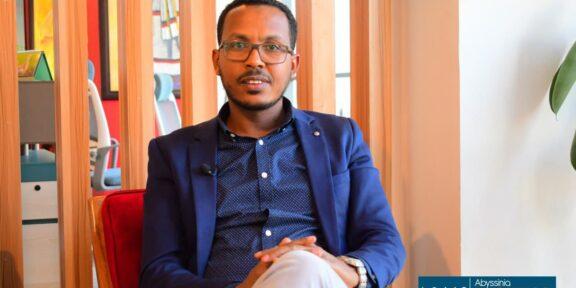
At the heart of this national awakening is Zelalem Merawi, a visionary Ethiopian entrepreneur whose work is not only reshaping industries but also reimagining the very soul of Ethiopian enterprise. With a deep reverence for cultural heritage and an unshakable belief in local potential, Zelalem is fusing tradition with transformation creating brands and experiences that carry Ethiopia’s signature into the global spotlight.
In this exclusive Abyssinia business Network (ABN) interview, Zelalem opens up about the driving forces behind his journey his inspirations, his battles, his business philosophy, and his aspirations for the Ethiopia of tomorrow.
His ventures are bold and multifaceted. KER EZHI Ethiopia is a cultural beacon and national brand celebrating Ethiopian craftsmanship, lifestyle, and authenticity. Avocado Spa & Organic Restaurant, a wellness haven and culinary destination, represents his dedication to holistic living and Ethiopian hospitality. From luxury tourism and corridor development to leather manufacturing, fine furniture, and international product showrooms, Zelalem’s entrepreneurial canvas reflects a masterstroke of identity, ambition, and innovation.
What emerges from our conversation is not merely the story of a business empire but a living narrative of resilience, rooted in love for country and an unrelenting pursuit of excellence. This is more than enterprise; it is a movement. And it begins with a man named Zelalem.

ABN: Zelalem, let’s start with the origins of your journey. What inspired you to enter the tourism industry?
Zelalem Merawi: My journey into tourism began with a deep sense of both pride and frustration. I watched international visitors arrive in Ethiopia curious, captivated, even overwhelmed by the richness of our history, culture, and landscapes. From the rock-hewn churches of Lalibela to the ancient city of Axum, their eyes lit up with awe. But just beneath that wonder, I could see the gaps disconnects in hospitality, poor infrastructure, and a lack of curated, meaningful experiences.
It struck me that Ethiopia wasn’t just underrepresented in global tourism; it was misunderstood. We had the stories, the legacy, the beauty, but we were not telling them in a way the world could truly engage with. I believed we could do better. We had to do better.
In 2005, I took a leap of faith. With a single vehicle and a heart full of ambition, I founded Zelalem Tour, Travel & Car Rent. It wasn’t just a business idea; it was a mission. I wanted to offer more than transportation I wanted to curate experiences that changed perceptions, that lingered in the soul long after the trip ended. Every itinerary I crafted, every interaction I trained my team to deliver, was about showing Ethiopia through a lens of pride, care, and authenticity.

For me, tourism was never just about movement; it was about meaning. And I knew if we could elevate the experience, we could elevate the way the world sees Ethiopia and how Ethiopians see themselves.
ABN: Zelalem, your business portfolio today spans multiple service-based sectors tourism, leather product manufacturing, hospitality, wellness, furniture, coffee, and gemstones. Can you walk us through how these sectors came together under your vision?
Zelalem Merawi: Absolutely. My journey began in tourism, where I recognized early on that Ethiopia had incredible cultural and natural assets but lacked the kind of structured, high-quality service experiences international travelers expect. I founded Zelalem Tour, Travel & Car Rent in 2005 with one car and a simple goal: to turn visits into meaningful journeys. From there, I realized tourism cannot thrive in isolation; it needs support systems.
That realization led me into hospitality. I saw the lack of integrated service environments places where guests could eat, relax, and connect with the country. So, I created spaces that offered that, including the Avocado Spa & Restaurant, which combines wellness, Ethiopian cuisine, and holistic care under one roof. It reflects our values: healthy, welcoming, and grounded in local tradition.
Then came manufacturing, because I strongly believe that tourism and hospitality should be powered by Ethiopian-made products. I began investing in furniture production, not only to supply my own businesses but also to show that we can design and manufacture high-end furniture locally, with our own materials and artisanship.

Coffee was a natural extension. Ethiopia is its birthplace, yet we export raw beans and import the value-added products. I’m developing a coffee line that is both for local excellence and premium export traceable and deeply Ethiopian.
In the same way, I saw enormous potential in gemstones. Ethiopia has a wealth of untapped minerals, but again, most are exported raw. I’m now working to build capacity in cutting, polishing, and branding gemstones within Ethiopia. It’s not just about business; it’s about value retention, job creation, and national pride.
So, while these may seem like diverse ventures, they’re actually deeply interconnected. Each business supports the other. Together, they form an ecosystem rooted in Ethiopian identity, designed for service excellence, and built for long-term growth. My goal is to create a model that proves Ethiopia can be a source of world-class services and products designed, developed, and delivered by Ethiopians.
How Did KER EZHI Ethiopia Become an International Label?
Zelalem Merawi: KER EZHI Ethiopia became an international label through a bold vision, cultural authenticity, and strategic creativity. It didn’t begin as a business it started as a movement. A collective of young Ethiopian creatives came together with a shared mission: to preserve and promote Ethiopian identity through fashion, design, storytelling, and visual art.
The name “Ker Ezhi Ethiopia,” which means “let pleasure reign over Ethiopia,” embodies the brand’s core philosophy. It reflects confidence, pride, and an urgent commitment to celebrate African originality without compromise.

The brand’s journey began with grassroots exhibitions and cultural showcases in Addis Ababa. One of its early milestones was a small yet powerful design pop-up that reimagined traditional Ethiopian patterns through modern streetwear. This initiative quickly caught the attention of local influencers and international cultural organizations, confirming there was a strong appetite both locally and globally for African creativity rooted in heritage and soul.
Instead of following global trends, KER EZHI created its own path a concept now known as “Continental lesson branding.” Every product, campaign, and collaboration is designed not just to sell, but to teach, inspire, and elevate. The brand shares African values, stories, and creativity with the world through wearable art, digital storytelling, and educational content.
Going global wasn’t accidental; it was intentional. KER EZHI formed strategic partnerships with African fashion collectives, diaspora networks, ethical fashion brands, and cultural platforms in cities like Nairobi, Paris, and New York. Social media became more than a marketing platform it became a classroom. Through behind-the-scenes content, storytelling, and cultural education, the brand invited its audience to engage deeply with the meaning behind each creation.
Challenges were inevitable: restricted access to global distribution channels, cultural misrepresentation, and more. But KER EZHI transformed these obstacles into stepping stones. The brand remained deeply rooted in Ethiopian values while engaging in global conversations building a community of young people hungry for authenticity, pride, and purpose.
One major challenge was sourcing quality materials from the local leather sector, which lacked the international exposure and investment needed. However, KER EZHI saw this not as a limitation but as an opportunity to turn local resources into global assets. The brand’s ethos is clear: “The opportunity is the product. The resource is what we already hold in our hands.”
Today, KER EZHI Ethiopia is more than a fashion label it is a symbol of African renaissance. It represents originality, cultural excellence, and the belief that Africa’s voice, style, and soul belong not only on the world stage but at the center of it.
ABN: Avocado Spa & Organic Restaurant has become a signature destination within your portfolio. How did the idea come about?
Zelalem Merawi:The transition was both organic and intentional. Tourism was my entry point, but it quickly revealed a broader landscape a network of interlinked sectors where Ethiopia held untapped potential. I realized that to truly elevate the visitor experience and contribute meaningfully to national development, we needed to invest in the service ecosystem surrounding tourism, not just the tours themselves.
Every challenge I encountered whether it was inadequate dining options, the absence of wellness services, or a lack of well-crafted, locally made products presented an opportunity in disguise. That’s how Avocado Spa & Organic Restaurant was born: to offer guests a place where wellness meets authentic Ethiopian hospitality. It combines health-conscious cuisine, spa treatments, and a serene atmosphere under one roof. But more than just food or relaxation, it represents a new benchmark in service excellence an experience that nurtures both body and spirit.
Similarly, with KER EZHI Ethiopia, the vision was to redefine how Ethiopian identity is showcased to the world. It’s not merely a showroom or retail space; it’s an experience-driven platform that curates Ethiopia’s finest craftsmanship, lifestyle products, and cultural aesthetics. It reflects our values, creativity, and capacity to compete at a global level.

At every stage, my strategy has been to respond to gaps with purpose-driven service solutions that not only meet immediate market demands but also help reshape how Ethiopia is perceived, both locally and internationally. Whether through wellness, dining, design, or cultural branding, I am building an integrated service ecosystem that supports tourism and extends far beyond it. That’s the essence of strategic expansion where every business complements the next, creating a unified, elevated experience for clients, communities, and the country as a whole.
ABN: What was your key differentiator in an increasingly competitive market?
Zelalem Merawi:The core of our differentiation lies in authenticity and holistic quality. In Ethiopia’s growing and competitive market, many businesses focus on either price or scale. But I believed success would come from delivering genuinely unique experiences deeply rooted in Ethiopian culture and paired with world-class service standards.
For example, in tourism and hospitality, it wasn’t enough to simply offer tours or rooms. We integrated personalized storytelling, seamless logistics, and culturally immersive experiences that reflect the richness of Ethiopian heritage. At Avocado Spa & Organic Restaurant, what sets us apart is the fusion of traditional Ethiopian wellness philosophies with modern health trends, all delivered with impeccable hospitality. This creates a distinctive space that both visitors and locals can’t find elsewhere.
Another key differentiator is our commitment to local craftsmanship and sustainability. Whether it’s in furniture manufacturing or the KER EZHI Ethiopia showroom, we prioritize Ethiopian materials, artisan skills, and designs that resonate both locally and globally. This approach not only supports local communities but also builds a brand identity centered on quality, authenticity, and cultural pride.
Lastly, we’ve created an interconnected ecosystem where each service and product reinforce the others. This holistic, value-driven model ensures our clients experience consistent excellence across tourism, wellness, dining, manufacturing, and retail. It’s not just a transaction it’s a comprehensive and curated experience.
In short, our competitive edge lies in delivering authentic Ethiopian excellence through integrated services that meet global standards fostering both national pride and international recognition.
ABN: We’ve heard about your upcoming VIP and Diplomat Avocado Spa & Organic Restaurant project. Can you share more details about this significant investment?
Zelalem Merawi: Yes, we’re very excited about this next chapter. The new VIP and Diplomat Avocado Spa & Organic Restaurant represents an investment of over 70 million Birr and is designed to set a new benchmark for luxury hospitality and wellness in Ethiopia.
This project is tailored for a highly discerning clientele VIPs, diplomats, and international visitors who expect a seamless blend of exclusivity, privacy, and world-class service. We are creating a refined environment that offers not only premium spa and wellness treatments but also an organic dining experience rooted in Ethiopian flavors and health-conscious cuisine.
The facility will feature state-of-the-art amenities, sophisticated design, and highly personalized services tailored to meet the needs of guests accustomed to global standards. But beyond luxury, this project is a reflection of our commitment to elevating and promoting Ethiopian culture and hospitality on an international level.
We believe it will become a landmark destination one that enhances Ethiopia’s profile as a premier hub for tourism and wellness on the global stage.
ABN: How do you describe the Opportunity Corridor project, and what role does your partnership with the Federal Housing Corporation play in it?
Zelalem Merawi:The Opportunity Corridor is an ambitious and transformative initiative aimed at creating a vibrant economic and social hub that connects key urban and commercial zones. It’s more than a development project it’s a strategic effort to foster sustainable growth by integrating residential, commercial, and recreational spaces into a cohesive ecosystem that promotes community well-being and investment.
Our vision for the corridor goes beyond infrastructure. It’s about creating a living, breathing environment where businesses, residents, and visitors thrive together. The project blends modern urban planning with Ethiopia’s cultural identity and a strong commitment to sustainability. We see it as a model for future urban development across the country.
Our partnership with the Federal Housing Corporation has been pivotal in realizing this vision. With their decades of experience in large-scale housing and infrastructure projects, the Corporation brings the expertise necessary to ensure that the corridor not only delivers commercial value but also provides affordable, high-quality housing solutions for Ethiopia’s growing urban population.
Together, we are bridging private-sector innovation with public-sector leadership to create a development that drives inclusive economic growth, enhances quality of life, and positions Ethiopia as a trailblazer in sustainable urban transformation.
ABN: Avocado Spa & Organic Restaurant is strategically located along one of the key urban corridors identified in Ethiopia’s national development plan, championed by the Federal Housing Corporation (FHC). Can you explain the significance of this location and the corridor concept?
Zelalem Merawi:The location of Avocado Spa & Organic Restaurant is no coincidence it’s a result of intentional, forward-thinking planning. The corridor concept is a visionary approach aimed at creating localized economic clusters that integrate hospitality, retail, tourism, and service sectors. These corridors are designed to foster walkable, lifestyle-centered urban environments by seamlessly blending residential and commercial developments with wellness, food, and cultural experiences.
What makes the corridor concept particularly powerful is its emphasis on sustainable urban growth through strong public-private partnerships. When I was first introduced to the corridor development framework, I immediately saw the vast potential. The Federal Housing Corporation played a critical role not only by providing the physical location but also by offering a national platform that aligns with Ethiopia’s evolving urban identity.
The realization of Avocado Spa & Organic Restaurant would not have been possible without the strategic support of FHC. From helping us secure a prime location to ensuring full integration with the broader infrastructure and urban design blueprint, the Corporation has been a transformative enabler at every step.
I want to sincerely thank the Federal Housing Corporation. Their visionary leadership has redefined how government institutions and private enterprises can work together not just to build structures, but to create identity, opportunity, dignity, and jobs for Ethiopians.
FHC’s initiative to facilitate corridor-based investment opportunities especially for entrepreneurs who demonstrate quality, innovation, and purpose has positioned Avocado Spa & Organic Restaurant as a flagship development. It stands as a pilot model for future integrated projects, proving that wellness, tourism, culture, and urban development are not isolated sectors but interconnected elements of one unified national vision.
ABN: As we conclude this exclusive interview, what final message would you like to share with our readers and the broader Ethiopian business community?
Zelalem Merawi:First and foremost, I would like to express my sincere gratitude to Abyssinia Business Network for providing this invaluable platform to share my journey, insights, and vision for Ethiopia’s future. It’s an honor to connect with the wider Ethiopian business community through such a respected and influential publication.
Ethiopia stands at a pivotal moment in its development a crossroads where extraordinary opportunity meets immense responsibility. Our country is endowed with a rich cultural legacy, abundant natural resources, and a vibrant, youthful population ready to innovate, build, and lead. But the path forward also presents real challenges that demand resilience, unity, and visionary leadership across every sector.
I firmly believe that our long-term success hinges on strategic collaboration among entrepreneurs, government institutions, public enterprises, and international partners. In this context, I would especially like to commend the Federal Housing Corporation and the broader Ethiopian government for their proactive role. Their forward-looking policies and investment facilitation frameworks have opened up new avenues for private sector innovation, enabling us to participate in projects that seamlessly integrate tourism, wellness, culture, and commerce. These urban corridors are becoming vibrant ecosystems and models of sustainable development.
To my fellow entrepreneurs whether you’re seasoned or just starting your journey, I encourage you to remain true to your vision. Invest in excellence, lead with integrity, and nurture your ventures with patience and passion. The road may be long and filled with obstacles, but it is also profoundly rewarding. The future of Ethiopia’s economy will be shaped by bold thinkers who dare to innovate while staying grounded in our heritage.
Finally, I extend heartfelt thanks to our customers, partners, and communities. Your trust, support, and belief in our mission continue to fuel our growth and strengthen our resolve. Together, we are more than just businesses we are a movement redefining what it means to be Ethiopian in the global economy.
This journey is far from over. In fact, it is only beginning. With unity, shared purpose, and courageous ambition, there are no limits to what we can achieve for ourselves, our communities, and our country.